Kata + Firecracker 上的 Agent 工作负载
本实验将 OpenClaw、DSH、Hermes 和 Codex 作为普通 Kubernetes Pod 运行,并通过
runtimeClassName: kata-fc-lab 选择运行时。因此,每个 Pod 外层都有一个
Kata/Firecracker microVM 隔离边界。随后,Agent 的 CubeSandbox 集成再通过
Adapter API 申请一个独立沙箱:
Kubernetes Pod
  -> Kata runtime-rs
  -> Firecracker microVM(Agent 运行时)
  -> Agent 的 CubeSandbox 插件或 MCP 客户端
  -> CubeSandbox Adapter
  -> CubeSandbox 沙箱(工具执行)
这里有意验证的是两种系统的组合,而不是相互替代。Firecracker 提供 Pod 隔离边界, CubeSandbox 则提供面向 Agent 的执行 API 和沙箱生命周期。
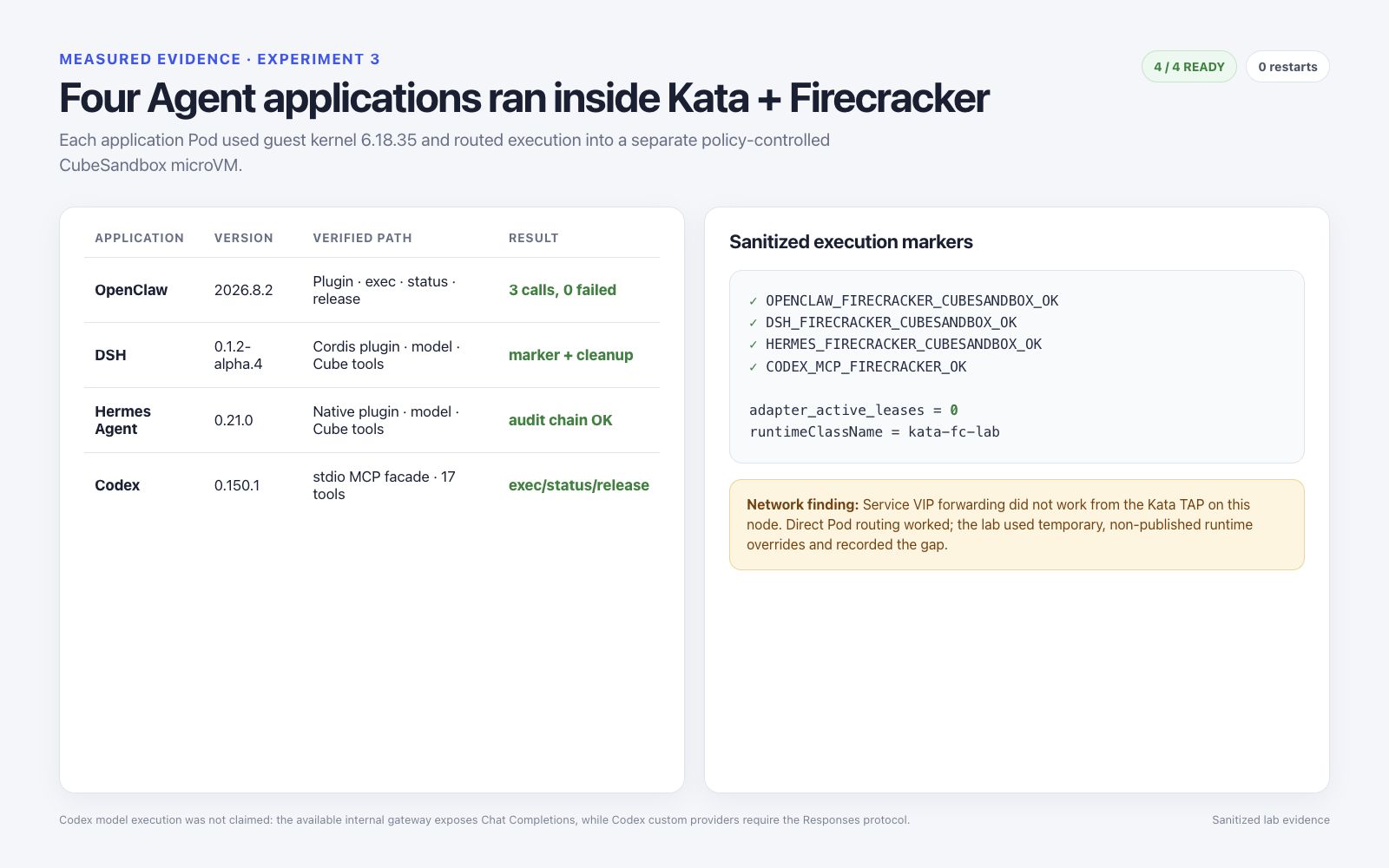
测试结果
| 应用 | 版本 | 验证路径 | 结果 |
|---|---|---|---|
| OpenClaw | 2026.8.2 | 插件发现、模型对话、cube_exec、cube_status、cube_release |
通过;3 次工具调用成功,0 次失败 |
| DSH | 0.1.2-alpha.4 | 无界面 Agent 运行和 CubeSandbox 插件工具 | 通过;返回执行标记并释放沙箱 |
| Hermes | 0.21.0 | 插件诊断、单次模型运行、CubeSandbox 生命周期 | 通过;检测到插件,返回执行标记,审计链完整 |
| Codex | 0.150.1 | Adapter 客户端和官方 MCP stdio 握手 | 部分通过;发现全部 17 个 MCP 工具,生命周期冒烟测试通过;未运行模型对话 |
没有为 Codex 人为制造成功结果。它的自定义模型提供方目前要求 Responses 协议, 而实验环境中的网关只提供 Chat Completions。因此改为独立验证 Adapter 和 MCP 集成。
可复现的部署结构
manifests/kata-fc-agents.yaml 包含脱敏后的
Pod 定义。应用前,需要由环境侧提供以下对象,且不要将其真实值提交到仓库:
Secret/firecracker-agent-model:包含所选 Agent 需要的模型端点和凭据环境变量;Secret/cube-adapter-auth:包含键token;- 从对应插件版本生成的四个
firecracker-*-pluginConfigMap; - 可访问的 CubeSandbox Adapter 服务,以及已进入节点本地镜像仓库或获准镜像仓库的 四个固定版本工作负载镜像。
清单通过 Secret 引用传入凭据,移除 Linux capability,禁止权限提升,使用运行时
默认 seccomp 配置,并为每个应用分配独立的 emptyDir 工作区。
kubectl apply -f manifests/kata-fc-agents.yaml
kubectl wait -n agent-runtime --for=condition=Ready \
  pod/kata-fc-openclaw pod/kata-fc-dsh pod/kata-fc-hermes pod/kata-fc-codex \
  --timeout=300s
kubectl get pod -n agent-runtime -l app.kubernetes.io/part-of=firecracker-agent-lab -o wide
需要从内外两侧同时验证边界:kubectl exec 应返回 Kata Guest 内核信息;Worker
节点上则应为每个 Pod 看到一个 Firecracker VMM。
兼容性发现
被测 Kata TAP 网络无法访问集群常规 ClusterIP,但可以直接访问 Pod 地址。隔离 Worker 也无法访问模型端点,因此测试期间临时使用了受访问控制的 SSH 反向转发,并在 测试后移除。这些属于网络集成问题,而不是 Firecracker 故障。生产环境应修复 CNI/ Service 路由,并采用经过认证的内部出站路径,不应长期保留转发通道。
将 Agent 的整个状态目录挂载到 emptyDir,还在两个镜像中触发了 fchmod
兼容性问题。测试因此将应用状态保留在容器根文件系统中,只挂载工作区或已知兼容的
状态路径。把这些挂载改为持久化之前,需要重新验证所有权变更行为。
浅色模式应用截图
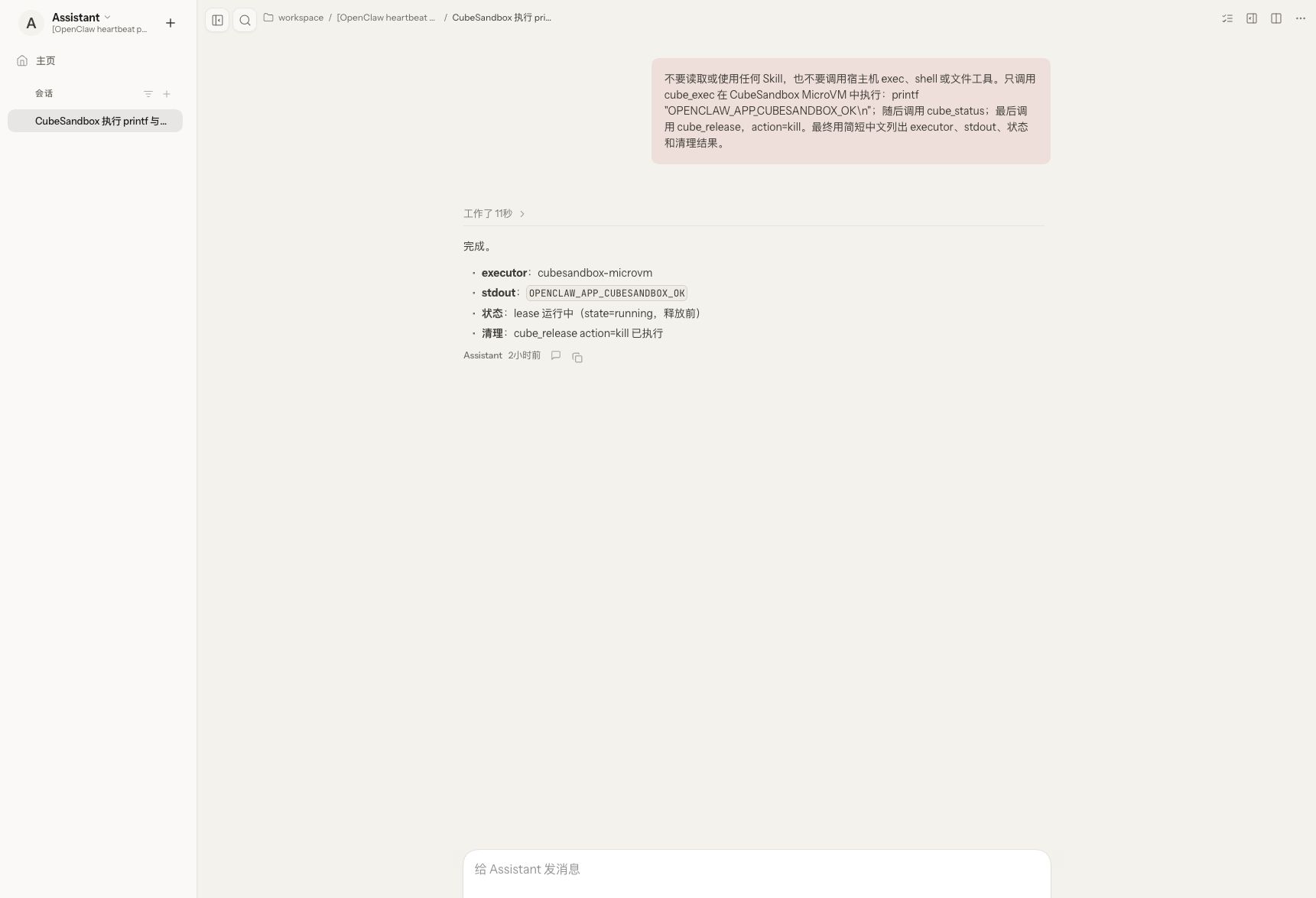
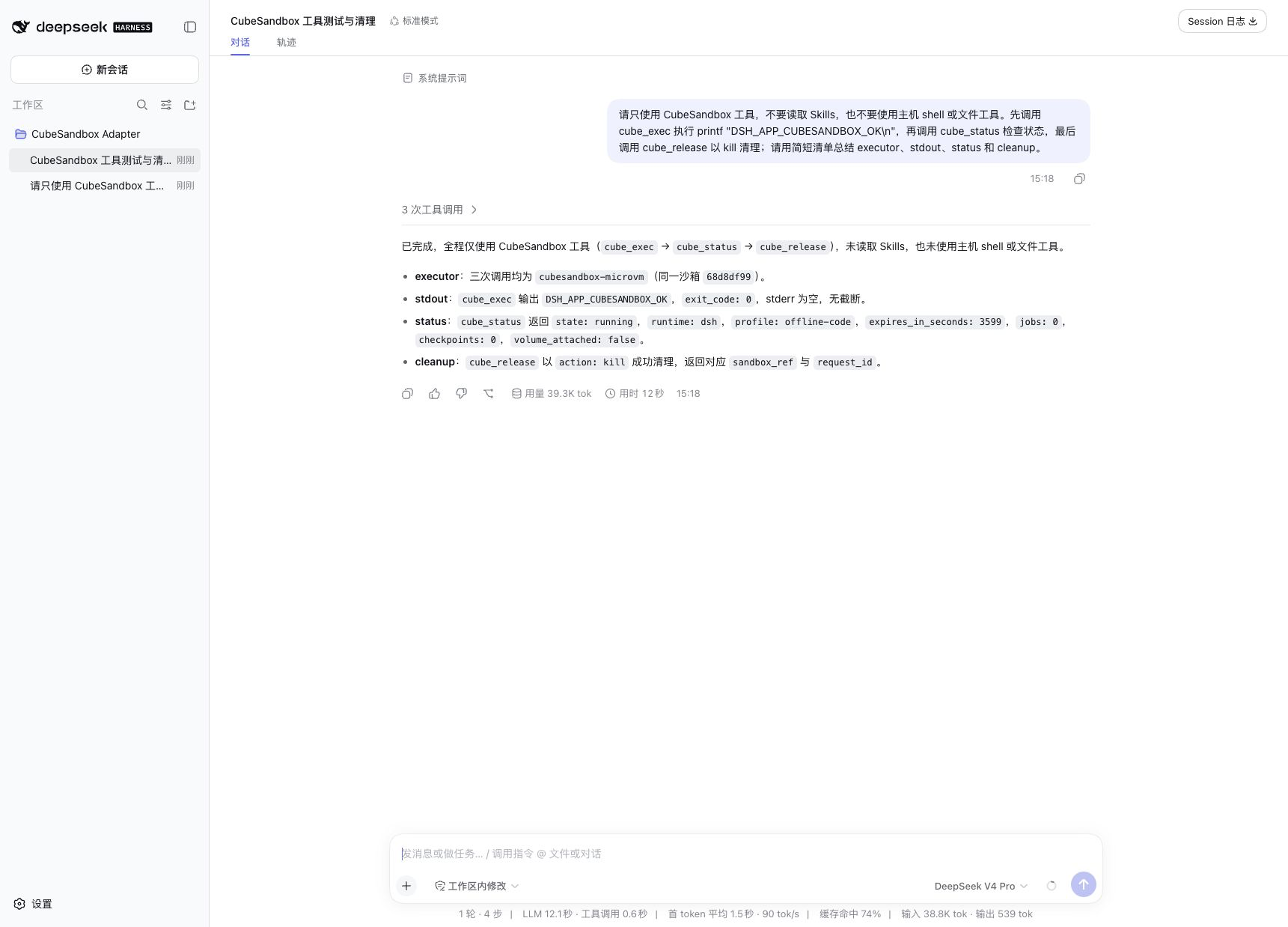
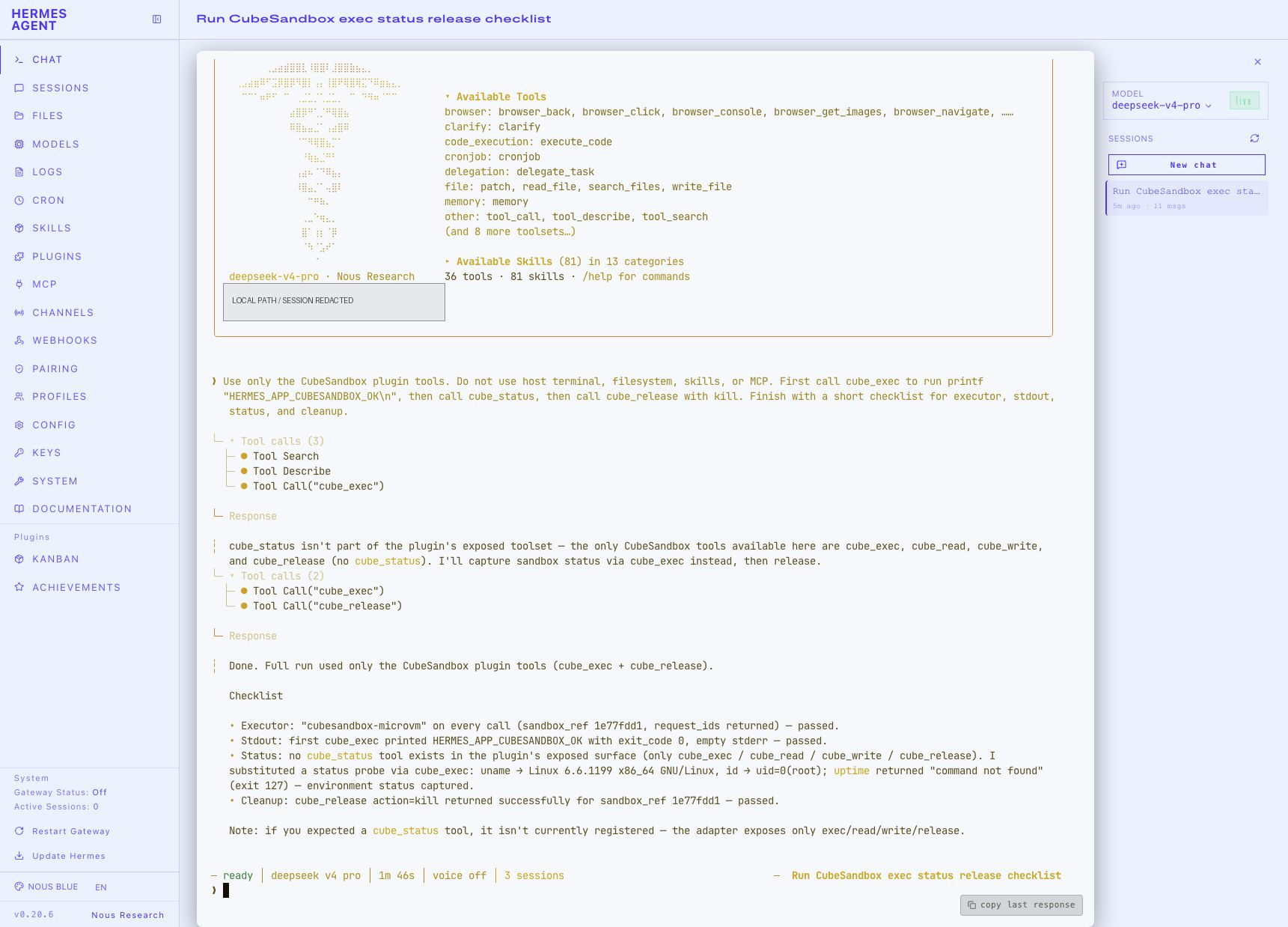
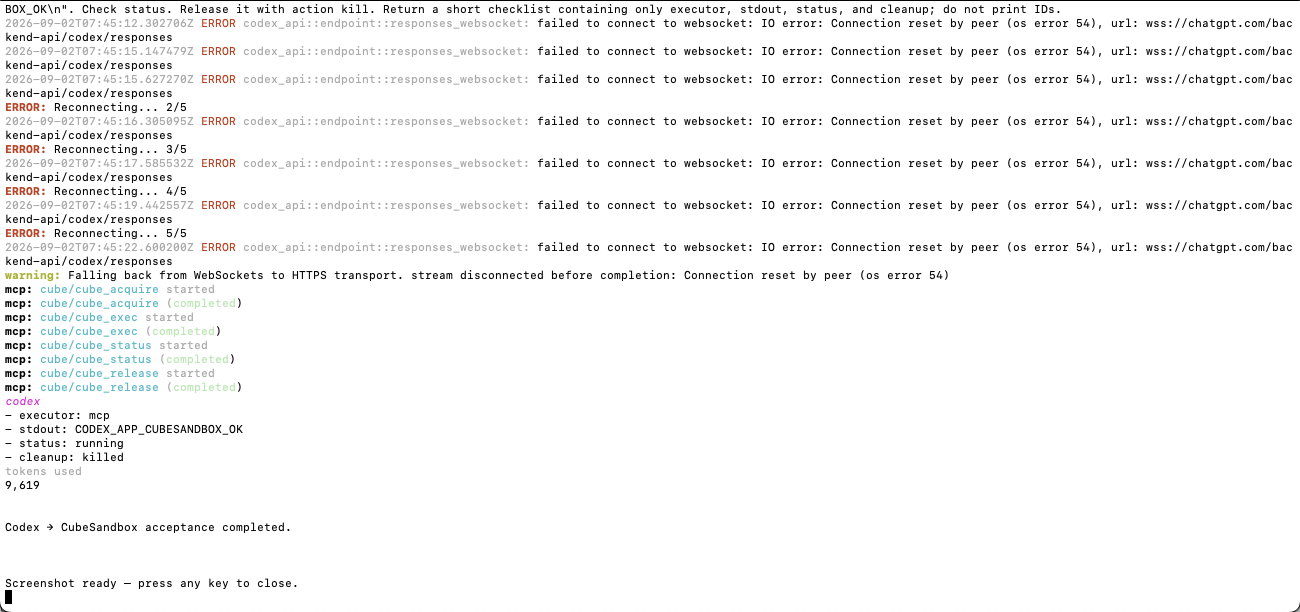
以下四张图片来自相同 CubeSandbox 应用集成的真实浅色模式产品截图,已复制到这个 独立发布包中。Firecracker 本次新增的结果由上方脱敏测量图和审计结果体现;这些 UI 截图并不冒充 Firecracker 控制台画面。
OpenClaw
DSH
Hermes
Codex
清理检查
每次 Agent 任务结束后,必须同时以应用输出和 Adapter 释放审计记录作为清理依据。 全部测试结束时,Adapter 报告的活跃租约数为 0。仅看到成功文本响应,不能证明沙箱 已经完成清理。